
What to do in the garden in March

March signals the start of spring
Image: Thompson & Morgan
By mid-March, we’re ready to welcome the start of spring — a hopeful, happy time for us gardeners.
There’s lots to be done outside, now the slower winter months have passed. Read about this month sowing and growing tasks here. Or find what other gardening jobs there are to do in March:
Timely Tips
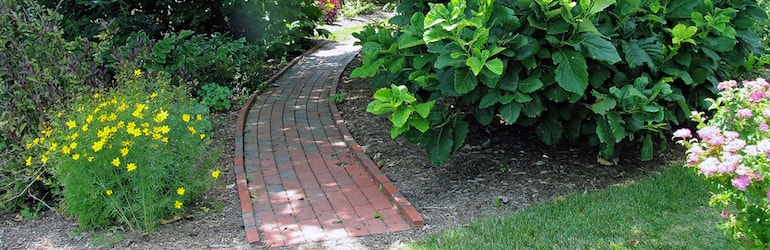
Clear your garden paths before the plants really start to grow
Image: Chandanaroy/
Shutterstock
This month’s timely tips are all about getting a head start in the garden.
- Fertilise your beds. Once your soil is workable, dig a 5cm (or more) layer of compost or well-rotted manure into your beds to prepare for the growing season ahead. You can also work in a general-purpose fertiliser, such as pelleted chicken manure, or fish, blood and bone.
- Put supports in. If any of your garden plants or climbers need supporting this year, put them in now, so plants can grow up through them. Adding supports afterwards is trickier and often looks unattractive.
- Move deciduous trees or shrubs. Now is the time to do this task, provided the soil isn’t frozen or waterlogged.
- Resurface paths before plants start to grow and smother them.
In the flower garden

Cut back cornus to their bases in March to stimulate fresh growth.
Image: Cornus sanguinea 'Midwinter Fire' from Thompson & Morgan
Here are your main tasks in the flower garden this month:
- Feed trees, shrubs and hedges with a slow-release fertiliser by lightly forking it into the soil surface.
- Feed roses with special rose feed or balanced fertiliser as they come into growth.
- Prune roses now to encourage strong new growth - follow our guide on how to prune roses for guidance.
- Prune clematis - prune early-flowering varieties once their flowers have finished and summer-flowering ones before they start into active growth. Check our clematis pruning guide for more detailed instructions.
- If you have a rhododendron that needs a new lease of life, choose a frost-free day this month to cut the branches hard. For more pruning advice, check out our dedicated rhododendron pruning guide.
- Finish cutting back cornus and salix cultivars, and other shrubs grown for their colourful winter stems. Cut them right back to their bases to encourage new stem growth for next winter.
- Cut out the top rosette of leaves from mahonia shrubs after they have flowered, to encourage branching.
- Finish cutting back dead foliage from perennials and ornamental grasses to make way for new growth.
- Prune overwintered fuchsias back to one or two buds on each shoot. This will encourage a bushy growth habit. For more information about growing your own fabulous fuchsias, check out our fuchsia hub page.
- Prune winter-flowering jasmine (Jasminum nudiflorum) after flowering, to encourage new growth for next year's blooms. Cut back the previous year’s growth to 5cm from the old wood.
- Trim winter-flowering heathers as the flowers disappear, to prevent the plants becoming leggy.
- Keep an eye out for slugs as the weather warms. Pay special attention to soft, new growth, which slugs love. Use nematodes for an effective organic control. Read our helpful guide on how to beat the slugs for more advice.
- Cut the old leaves off hellebores to remove any foliar diseases and make spring flowers more visible.
- Continue to deadhead winter pansies to stop them setting seed. This will encourage flushes of new flowers throughout the spring.
- Deadhead daffodils as the flowers finish and let the foliage die back naturally.
- Deadhead hydrangeas before new growth appears. Cut to about one third of last season's growth.
- Plant native hedges to encourage wildlife.
In the vegetable garden
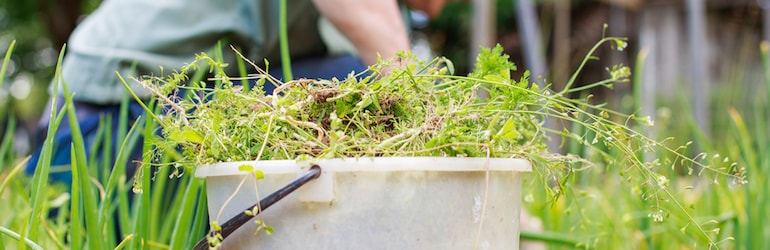
Clear your vegetable beds of weeds in March to prepare for planting.
Image: stopabox/Shutterstock
Here are your vegetable garden jobs for this month:
- Dig in green manures grown over the winter. Do this while stems are still soft.
- Dig compost, well-rotted manure or green waste into your vegetable beds to prepare for the growing season ahead. Dig in a 5cm (or more) layer when the soil becomes workable. Weed vegetable seed beds before adding the layer.
- Cover prepared soil with sheets of black plastic to keep it drier and warmer in preparation for planting.
- Weed and mulch asparagus beds. Asparagus has shallow roots so weed by hand to prevent damage.
In the fruit garden
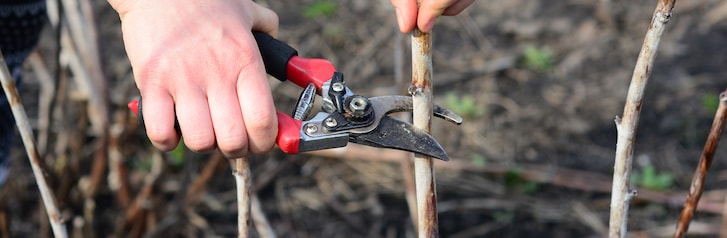
Prune raspberry canes in early spring
Image: Radovan1/Shutterstock
Trim, feed and protect plants in the fruit garden:
- Cut autumn-fruiting raspberry canes to the ground to stimulate new canes, which will fruit in the autumn. Cut the tips of summer-fruiting raspberry canes that have grown beyond the top of their supports; cut just above a bud.
- Feed blueberry plants with ericaceous plant fertiliser.
- Protect the blossoms of apricots, peaches and nectarines from frost with a screen or horticultural fleece.
- Mulch fruit trees with well-rotted manure or garden compost. Take care not to mound mulch up around tree trunks.
- Cover strawberries with a cloche to encourage earlier fruiting. Read our guide which covers everything you need to know about growing under cloches and mini-cloches.
- Mulch rhubarb with a thick layer of well-rotted manure to keep it healthy and reduce moisture loss through the soil. Take care not to cover the crown, as this is where the growth happens.
Looking after your lawn
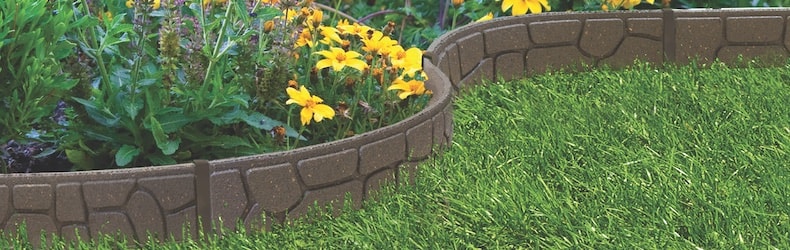
Smarten up your garden borders with lawn edging
Image: Eco-friendly Ez Border Garden Border Edging from Thompson & Morgan
Here's how to look after your lawn this March:
- Recut any lawn edges if necessary.
- Install lawn edging to make future maintenance easier.
- Mow your lawn if it needs it. Choose a dry day and set your blades higher than usual.
- Lay new turf if the ground isn't frozen or waterlogged.
- Prepare soil for growing new lawn from seed. Doing this now allows it time to settle before sowing.
Other jobs about the garden
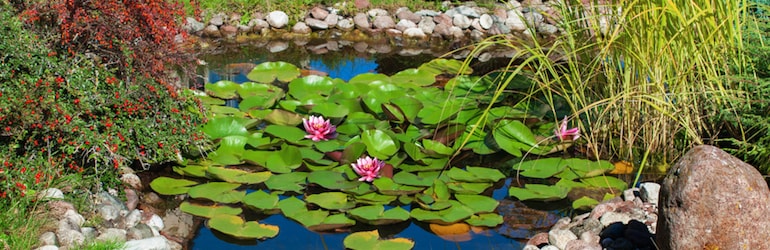
Give your garden a makeover this March with a new pond.
Image: alexkatkov/Shutterstock
Here are the other jobs to be getting on with this month:
- Install a new pond or water feature. Read up on how to plant up a pond to create a successful and attractive garden feature.
- Remove any pond netting left over from the autumn/winter.
- Get rid of slimy patches on patios and paving by scrubbing with a broom or blasting with a pressure washer.
- Install water butts for the season ahead. Position them under a downpipe to make the most of rainfall.
- Scrub watering cans with hot soapy wate to prevent fungal diseases.
- Build a compost bin before the growing season gets underway. If you already have one, check to see if there is any compost ready to use on vegetable beds. Move bags of compost into the greenhouse to warm up for a week or two before using for sowing.
- Create a comfrey bed to make your own organic fertiliser. Sow into a seedbed in an unused corner of the garden.
- Invest in a soil-testing kit if you don't already know what type of soil you have. It will help you choose the right plants for your garden.
- Top up veg planters and raised beds with compost and good quality topsoil.
- Begin weeding as the weather warms — it’s easier to control weeds if you remove them while they’re still young.
- Check containers to ensure the soil hasn't dried out.
- Top-dress containers by removing the top 2.5cm (1") of soil, and replacing it with fresh compost.
- Start ventilating greenhouses and cold frames on warm sunny days. Don't forget to move plants from the greenhouse to a cold frame for at least 7 days before planting out into the garden. This allows them to harden off.
- Give your wooden shed a spring clean before the sowing season really kicks off - you won't regret it!
From your armchair
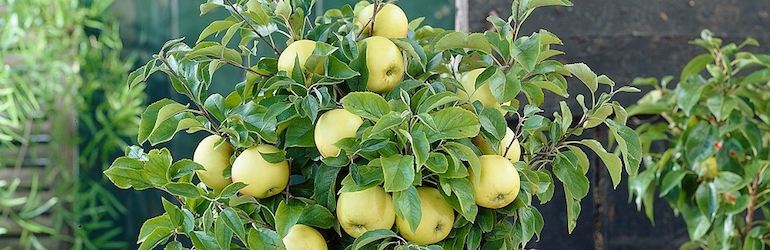
For small gardens, order dwarf fruit trees of your favourite varieties
Image: Apple 'Golden Delicious' (Mini Fruit Tree) from Thompson & Morgan
- Order annual bedding plants now, ready for beautiful containers and hanging baskets this year.
- Order fruit trees for planting this spring. If space is limited in your garden try growing dwarf fruit trees.
- Buy vegetable plants for a hassle-free start to your vegetable garden.
- Sort your seeds by sowing date, month by month, using our seed sowing times article as reference. Start a sowing and growing diary to keep track of which seeds you are sowing and when they were sown — it really helps later in the year.
- Consider using green waste to improve your soil; visit your local council's website for information.
What to do in the garden archive
- Back to 'In the Garden this Month'
- What to do in the garden in January
- What to do in the garden in February
- What to do in the garden in March
- What to do in the garden in April
- What to do in the garden in May
- What to do in the garden in June
- What to do in the garden in July
- What to do in the garden in August
- What to do in the garden in September
- What to do in the garden in October
- What to do in the garden in November
- What to do in the garden in December
Sign Up For Exclusive Special Offers




© 2024 Thompson & Morgan. All rights reserved. A division of Branded Garden Products Limited.
