
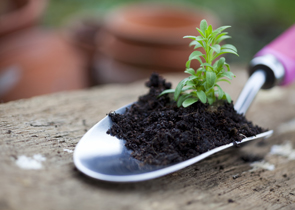
 Gardeners have been using peat-based compost for a very long time, but now the Government and some well-known gardeners are working together to try to persuade the public to switch to peat-free compost instead. 95% of peat beds have been lost to peat extraction, which disturbs rare wildlife and releases large amounts of carbon dioxide into the atmosphere. Some gardeners say that peat-free compost doesn't give the same results as peat compost, but recent surveys have shown that peat-free compost works just as well and some performed even better. Making your own compost helps too and most local authorities take away garden waste for composting, some will take food waste as well. You can then buy the compost in bags and use it for your own gardening needs, which in turn stops waste going into landfill sites and helps to preserve peat bogs and moors - a 10 metre deep peat bed takes 9,000 years to form!
Special Offers
Flowers & Plants
Seeds
Fruit & Vegetables
House Plants
New & Trending
Tool Shed
Outdoor Living
Garden Tips
Back to main
Garden Plants
Shrubs
Flower Seeds
Flower Bulbs & Tubers
Plants for Pollinators
New In & Trending
Flowers Despatching This Week
Back to Flowers & Plants
Garden Plants
Annual Plants
Perennial & Biennial Plants
Bare Root Trees & Plants
Garden Ready Plants
Hanging Basket Plants
Patio Plants
Plug Plants
Potted Hardy Plants
Pre Planted Hanging Baskets
Trees
Back to Flowers & Plants
Shrubs
Buddleja Shrubs
Campsis Shrubs
Cornus Shrubs
Coronilla Shrubs
Daphne Shrubs
Gardenia Shrubs
Hibiscus Shrubs
Holly Shrubs
Hydrangea Shrubs
Back to Flowers & Plants
Flower Seeds
Hardy Annual Seeds
Half-Hardy Annual Seeds
Perennial & Biennial Seeds
Wildflower Seeds
Cosmos Seeds
Marigold Seeds
Nasturtium Seeds
Petunia Seeds
Poppy Seeds
Sunflower Seeds
Sweet Pea Seeds
Edible Flower Seeds
Royal Botanic Gardens, Kew, Seeds
Mr Men & Little Miss Seeds
New Flower Seeds
All Other Flower & Shrub Seeds
All Seeds
Flowers to Sow in January
Flowers to Sow in February
Flowers to Sow in March
Flowers to Sow in April
Flowers to Sow in May
Flowers to Sow in June
Flowers to Sow in July
Flowers to Sow in August
Flowers to Sow in September
Flowers to Sow in October
Flowers to Sow in November
Flowers to Sow in December
Back to Seeds
All Seeds
Easy to Grow Seeds
Popular Flower Seeds
Seeds to Sow Now
Mr Men & Little Miss Seeds
Royal Botanic Gardens, KEW Seeds
Trending Seeds
Back to Seeds
All Flower Seeds
Hardy Annual Seeds
Half-Hardy Annual Seeds
Perennial & Biennial Seeds
Wildflower Seeds
Cosmos Seeds
Marigold Seeds
Nasturtium Seeds
Petunia Seeds
Poppy Seeds
Sunflower Seeds
Sweet Pea Seeds
Royal Botanic Gardens, Kew Seeds
Mr Men & Little Miss Seeds
New Flower Seeds
All Other Flower & Shrub Seeds
All Seeds
Flowers to Sow in January
Flowers to Sow in February
Flowers to Sow in March
Flowers to Sow in April
Flowers to Sow in May
Flowers to Sow in June
Flowers to Sow in July
Flowers to Sow in August
Flowers to Sow in September
Flowers to Sow in October
Flowers to Sow in November
Flowers to Sow in December
Back to Seeds
All Vegetable Seeds
New Vegetable Seeds
Pea & Bean Seeds
Pepper (Sweet) & Chilli Seeds
Carrot & Parsnip Seeds
Cucumber Seeds
Spinach Seeds
Tomato Seeds
Brassica & Leafy Green Seeds
Herb Seeds
Salad Seeds
Onion & Leek Seeds
Pumpkin, Squash & Courgette Seeds
Beetroot & Chard Seeds
All Other Vegetable Seeds
Royal Botanic Gardens, Kew Seeds
Mr Men & Little Miss Seeds
Vegetables to Sow in January
Vegetables to Sow in February
Vegetables to Sow in March
Vegetables to Sow in April
Vegetables to Sow in May
Vegetables to Sow in June
Vegetables to Sow in July
Vegetables to Sow in August
Vegetables to Sow in September
Vegetables to Sow in October
Vegetables to Sow in November
Vegetables to Sow in December
Back to main
Vegetable Seeds
Potatoes, Onions & Garlic Sets
Vegetable Plants
Fruit
New In & Trending
Vegetables Despatching This Week
Fruit Despatching This Week
Back to Fruit & Vegetables
Vegetable Seeds
Pea & Bean Seeds
Broad Bean Seeds
Runner Bean Seeds
Pepper (Sweet) & Chilli Seeds
Carrot & Parsnip Seeds
Brassica & Leafy Green Seeds
Cucumber Seeds
Herb Seeds
Salad Seeds
Onion & Leek Seeds
Pumpkin, Squash & Courgette Seeds
Beetroot & Chard Seeds
All Other Vegetable Seeds
Tomato Seeds
Winter Vegetable Seeds
Vegetables to Sow in January
Vegetables to Sow in February
Vegetables to Sow in March
Vegetables to Sow in April
Vegetables to Sow in May
Vegetables to Sow in June
Vegetables to Sow in July
Vegetables to Sow in August
Vegetables to Sow in September
Vegetables to Sow in October
Vegetables to Sow in November
Vegetables to Sow in December
Back to Fruit & Vegetables
Potatoes, Onions & Garlic Sets
First Early Potatoes
Second Early Potatoes
Maincrop Potatoes
Second Cropping Potatoes
Sweet Potatoes
Onion, Shallot & Garlic Sets
Back to Fruit & Vegetables
Vegetable Plants
Artichoke Plants
Asparagus Plants
Brassica & Leafy Green Plants
Cucumber Plants
Culinary Herb Plants
Pea & Bean Plants
Pepper (Sweet) & Chilli Plants
Salad Plants
Mushroom Kits
Back to main
Flowers & Plants New & Trending
Fruit & Vegetables New & Trending
Seeds New & Trending
House Plants New & Trending
Garden Ready New & Trending
Back
Flowers & Plants - New & Trending
New Flower Plants
New Flower Seeds
New Bulbs & Tubers
Looking Good on the Nursery
Recommended by our Experts
Trending Flowers & Plants
Back to main
Garden Tools & Equipment
Garden Machinery
Garden Compost
Garden Worms
Plant Pots
Garden Irrigation & Watering
Fertilisers
Plant Protection
Hanging Baskets
Pest Control
Back to Tool Shed
Garden Tools & Equipment
Barrows & Trolleys
Gardening Books
Garden Clothing
Composting
Hand Tools
Harvesting
Lawn Seed
Plant Supports
Sowing & Growing
Tree Stakes
Back to main
Garden Furniture
Buildings and Fencing
Landscaping
Garden Living
Water Features
Wild Bird Food
Bird Care Accessories
Bird Feeders
Wildlife Havens
Back
Garden Furniture
Rattan Furniture
Parasols
Benches
Dining Sets
Loungers
Wooden Furniture
Party Tents & Gazebos
Back
Garden Sheds
Wooden Sheds
Metal Sheds
Log Cabins
Summer Houses
Play Houses
Swings & Climbing Frames
Car Ports
Log Stores
Greenhouses
Metal Greenhouses
Wooden Greenhouses
Mini Greenhouses
Grow Tunnels
Cold Frames
Accessories
Back
Garden Screening
Willow Screening
Natural Screening
Brushwood Thatch
Bark
Bamboo Cane
Artificial Screening
Back
House & Garden Plants
Annuals
Bedding plants
Begonias
Clematis
Climbing plants
Conifers
Dahlias
Evergreen plants
Exotic plants
Fuchsias
Gardening for wildlife
Geraniums
Grasses
Hanging baskets
Houseplants
Hydrangeas
Alpines & Rockery Plants
Lawn Care
Patio plants
Perennials
Petunias
Plants for pollinators
Plants for a purpose
Plants for shade
Shrubs
Roses
Spring flowering bulbs
Summer flowers
Sunflowers
Sweet peas
Trees & hedges
Wildflowers
Winter Flowers
April 2011 News in the Gardening World
Click here to read our latest news.
Win £1000 worth of Thompson & Morgan vouchers and a visit from Toby Buckland!
By Thompson & Morgan on Monday, April 18th, 2011
 That's right! Simply sign up for our email newsletters and you'll be entered into the draw to win this great prize. Toby Buckland, who has won many prizes and awards himself and was a recent presenter on BBC's Gardeners' World, will visit your garden to offer advice and plant a tree. PLUS you'll receive £1000 worth of Thompson & Morgan vouchers!
So don't delay, sign up today to get regular newsletters full of handy gardening tips and exclusive offers, as well as the chance to win this fabulous prize.
This competition has now closed.
Click here to read the competition rules
Help to save the bees by growing bee-friendly plants
By Thompson & Morgan on Monday, April 18th, 2011
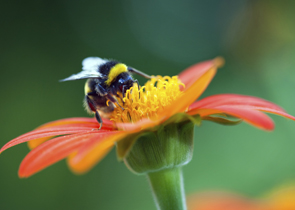 Butterflies aren't the only minibeasts in danger, bee populations are in serious decline too. Plans are afoot to build so-called 'bee roads', with the first ones planned in Yorkshire, which will create corridors of wildflowers for insects. The hope is that other counties will do the same, all with the aim of saving bees from further decline.
You too can do your bit - gardens are just as important for bees and there are many plants you can grow to encourage them into your garden.
Read more here
Putting plants to the test in our trial grounds
By Thompson & Morgan on Wednesday, April 6th, 2011
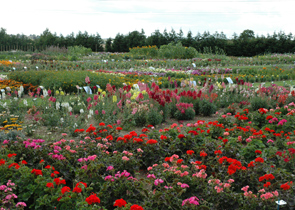 Every year we test about 950 flowers and vegetables in our Ipswich trial grounds, to ensure high quality plants and tasty, healthy crops of vegetables.
Then, in the summer, we hold our annual Open Weekend, where visitors can have a good look around and see what they can expect to find in the next catalogue.
Find out more
Save our butterflies!
By Thompson & Morgan on Tuesday, April 5th, 2011
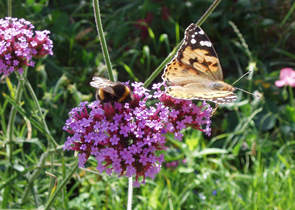 According to experts, many of the UK's butterfly species are under threat of extinction. You can help to change this, by growing butterfly-friendly plants such as verbena bonariensis, buddleja, perennial wallflowers, lavender and majoram to provide a great source of nectar.
These will all be in bloom in July this year, when the Butterfly Conservation is conducting a Big Butterfly Count to get a better idea of what is happening to butterflies in the UK.
Tomatoes? Best Buy them from Thompson & Morgan!
By Thompson & Morgan on Monday, April 4th, 2011
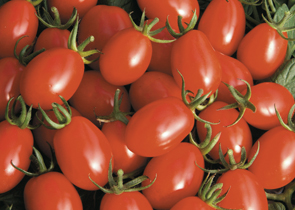 Sweet, juicy and delicious – it's no wonder tomatoes are a favourite choice among home-growers and Thompson & Morgan are proving that when it comes to tomatoes, we’re a one-stop shop!
The latest round of Which? tomato trials focused on baby plum tomatoes and Tomato Rosada was given top marks and the prestigious Best Buy accolade. Judges gave it the maximum five stars and commented on the vigorous plants that cropped for at least 13 weeks, were easy to train as cordons and, of course, came top in taste tests.
Why not try growing them yourself? Tomato Rosada seeds are available online now, priced at £3.19 per packet.!
Sign Up For Exclusive Special Offers


About us
Customer Help Centre
Planting & Cultural Advice
Job Vacancies
Privacy Policy
Cookies
Environmental Policy
Terms & Conditions
Certificates
Our Gardening App
T&M Marketplace
Affiliate Program
Group Scheme
Product Reviews
Delivery
Quick Shop
Gender Pay Gap
Modern Slavery Act
Gardening Club
eGift Vouchers
Request a Catalogue
Retail Enquiries
Seed Stockists
Press & Media Resources
Wholesale Enquiries
Promotional Seeds Enquiries
Ukraine Appeal


© 2024 Thompson & Morgan. All rights reserved. A division of Branded Garden Products Limited.
